Table Of Content
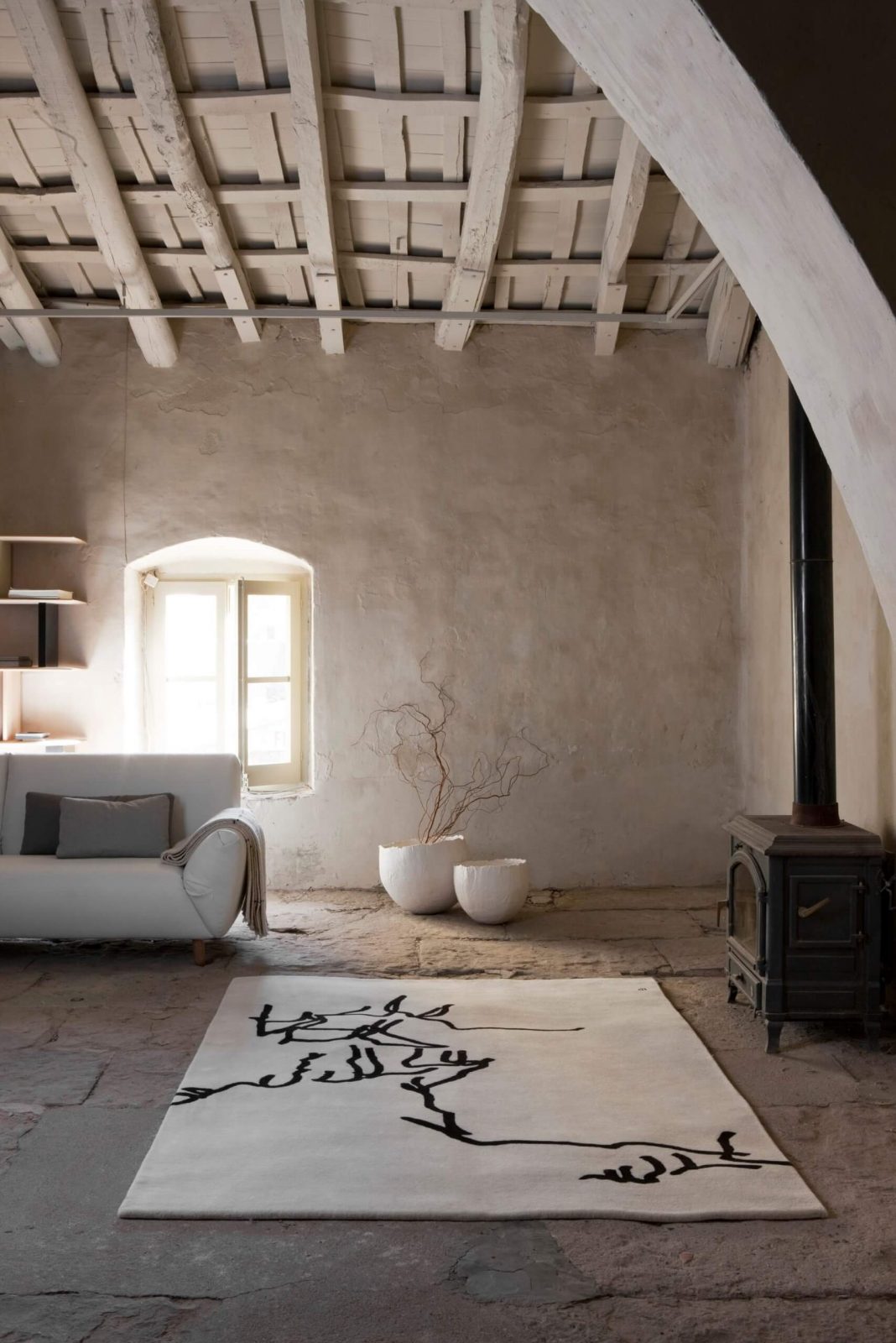
To incorporate Wabi Sabi style into your dining room, keep your table setting simple and minimalist, with earth-toned plates and simple glassware. By incorporating handcrafted objects into an interior, Wabi Sabi design creates a sense of warmth and authenticity, which is often lacking in contemporary rooms. An open space doesn’t just let you move around, but also doesn’t obstruct light, air or your thought process. Wabi-sabi design honors authenticity, and what’s more authentic than forgoing the big box stores in favor of artisanal and handmade items?
Reimagining Aged Décor – The Corner
You can even use unpolished copper or brass materials, to give your home a beautiful, rustic feel. A great example is being disciplined with respect to daily tasks such as making one’s bed. Instead of focusing on creating a tidy, spotless, and perfect Wabi-Sabi bedroom, the wabi-sabi style encourages embracing an imperfectly made bed. While wabi-sabi may be born out of imperfections, the aesthetic is not easy to master. Objects made using the wabi-sabi aesthetic are therefore asymmetrical and are replete with imperfections. Feel free to use asymmetrical furniture or objects that may be mismatched around the home.
Home Tour: A stylish London house inspired by Danish hygge and Japanese wabi-sabi - Tatler Taiwan
Home Tour: A stylish London house inspired by Danish hygge and Japanese wabi-sabi.
Posted: Tue, 05 Sep 2023 07:00:00 GMT [source]
Incorporating Spanish Interior Design into Your Home Decor
Emily Moorman is a News Writer at Homes & Gardens, working across a range of topics spanning interiors, celebrity and emerging trends. With a background in the fashion industry, Emily is well-versed in the world of design and trend cycles. Her undergraduate degree was in Fashion Communication and Promotion which she studied at Norwich University of The Arts, specialising in writing and digital communications. Wabi-sabi originates from tea ceremonies performed in sixteenth-century Japan and was popularized by the Zen monk Sen no Rikyu.
Perennials and Sutherland Unveil Spring 2024 Collection - Galerie - Galerie Magazine
Perennials and Sutherland Unveil Spring 2024 Collection - Galerie.
Posted: Fri, 09 Feb 2024 08:00:00 GMT [source]
A Moody Bedroom Affair with All Modern Furniture
Similarly, a handmade vase might have slight variations in its shape or texture, which make it even more special. We know how air and sunlight in a room can transform the way it looks and feels. A wabi-sabi style house stresses on filtered light — to avoid harsh rays and yet flood the room with a sense of warmth.
Style + Wellness
Clean, simple, and organized – minimalist wabi-sabi interior design lets you focus on what’s important. Choose storage and furniture and with unfussy silhouettes and neutral tones to maintain simplicity and balance. Incorporating asymmetry into a Wabi Sabi interior can be achieved through carefully selected decor with unique and uneven shapes and a naturally aged appearance. Furniture arrangement could also embrace imperfect balance for a more organic and dynamic feel.
The aesthetic encourages us to appreciate the beauty found in the imperfect and the unconventional. Whether it’s a piece of handmade décor that bears the marks of its maker, or a piece of furniture that’s not perfectly aligned or symmetrical, such items add character to your home. Let Kaiyo help you create a mindful, tranquil home that reflects the beauty of imperfection.
Wabi Sabi was popularized by tea master Sen no Rikyu, who believed that the essence of the tea ceremony was not in the tea itself, but in the atmosphere created by the tea room and the objects within it. If you’re stuck between bohemian styles and minimalist wabi-sabi interior design, you don’t necessarily have to compromise. Luckily, there are a few commonalities in design you can take advantage of. Much like this home, you too can opt for wooden accents, earthy palettes, and as many natural decor items as possible.
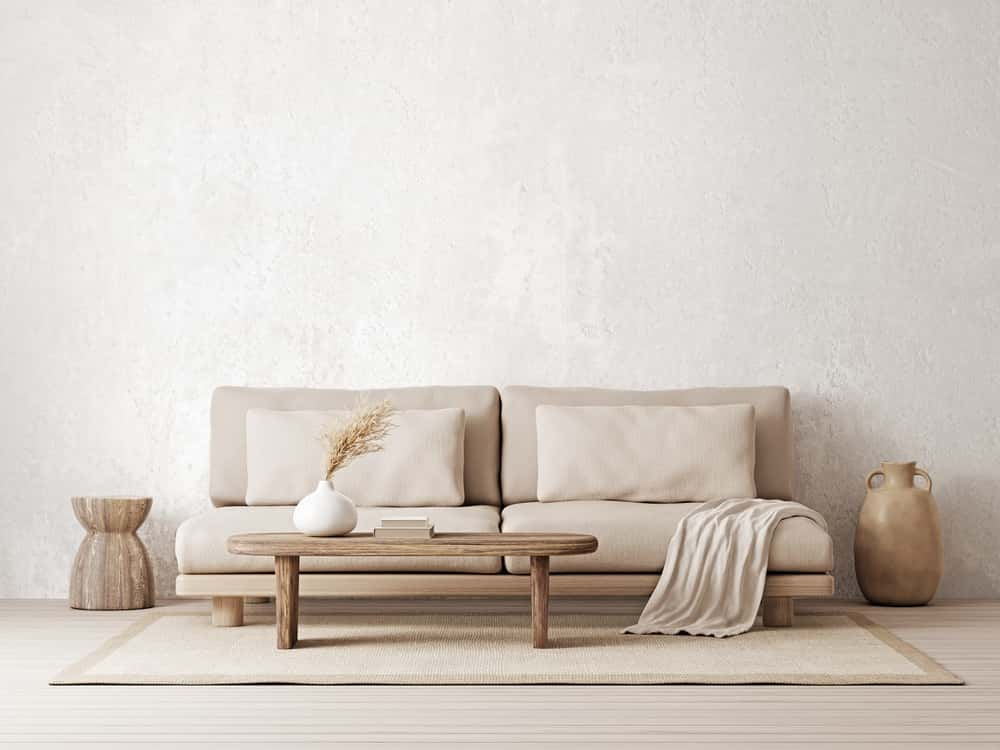
In contrast to Western ideals that value perfection, permanence, and the pursuit of the flawless, this style embraces the imperfections of life as they naturally occur. Create a peaceful interior with a low platform bed, muted colors, and soft, organic bedding. Incorporate simple, unadorned furniture, an earthy color palette, and natural textiles for a tranquil ambiance.
The VICE Guide to Wabi-Sabi Design and Decor
Where Western sensibilities may hide or fix imperfections, Wabi-Sabi highlights and honors them. There is an acceptance of natural deterioration and a celebration of authenticity. Washed linens stand out for their ability to augment the beauty of Wabi Sabi design, contributing to a cozy and welcoming ambiance.
Minimalism in Japanese culture, and particularly in Wabi Sabi design, plays a significant role in celebrating the beauty found in imperfections and the fleeting nature of life. The fusion of Wabi-Sabi and Mid-Century Modern design is a beautiful pathway into creating spaces that are both modern and imbued with a soulful, timeless essence. It’s about creating a dialogue between the ancient and the modern, the perfect and the imperfect, the sleek and the rustic. This design journey is an invitation to explore a harmonious blend of aesthetics that caters to the modern lifestyle while still nurturing a deep connection with the authentic and the natural. Through this meld, interior spaces become a canvas where the simplicity of Wabi-Sabi and the functional elegance of Mid-Century Modern design create a captivating, serene, and deeply grounding narrative. The heart of Wabi-Sabi interior design beats in simplicity, modesty, and the innate texture of materials in their most authentic form.
This article is your guide to merging this calming aesthetic with contemporary living for a unique, tranquil, and ultimately refined atmosphere. Instead, the idea is to create a feeling of balance that’s more relaxed and natural. You might see this design style reflected in how the furniture is arranged or how pictures are hung.
Start slow and small, gradually editing your space until it’s somewhere that you feel truly at peace—imperfections and all. Located on a wooded property some 80 miles north of Manhattan, the Pond House is a weekend retreat for the founder of Brooklyn-based architecture firm Sundial Studios and his family. Set atop a concrete plinth, it features weathered steel cladding and blackened cedar siding. Glass doors and a covered porch stepping down to the pond strengthen the indoor/outdoor connection, while the interiors are awash in natural materials like sugar maple and fallen ash. Translated to a home setting, that means shunning the shiny and the uniform for the weathered and the one-of-a-kind. Skipping another run to the furniture store, say, and placing a scuffed vintage mahogany desk front and center.
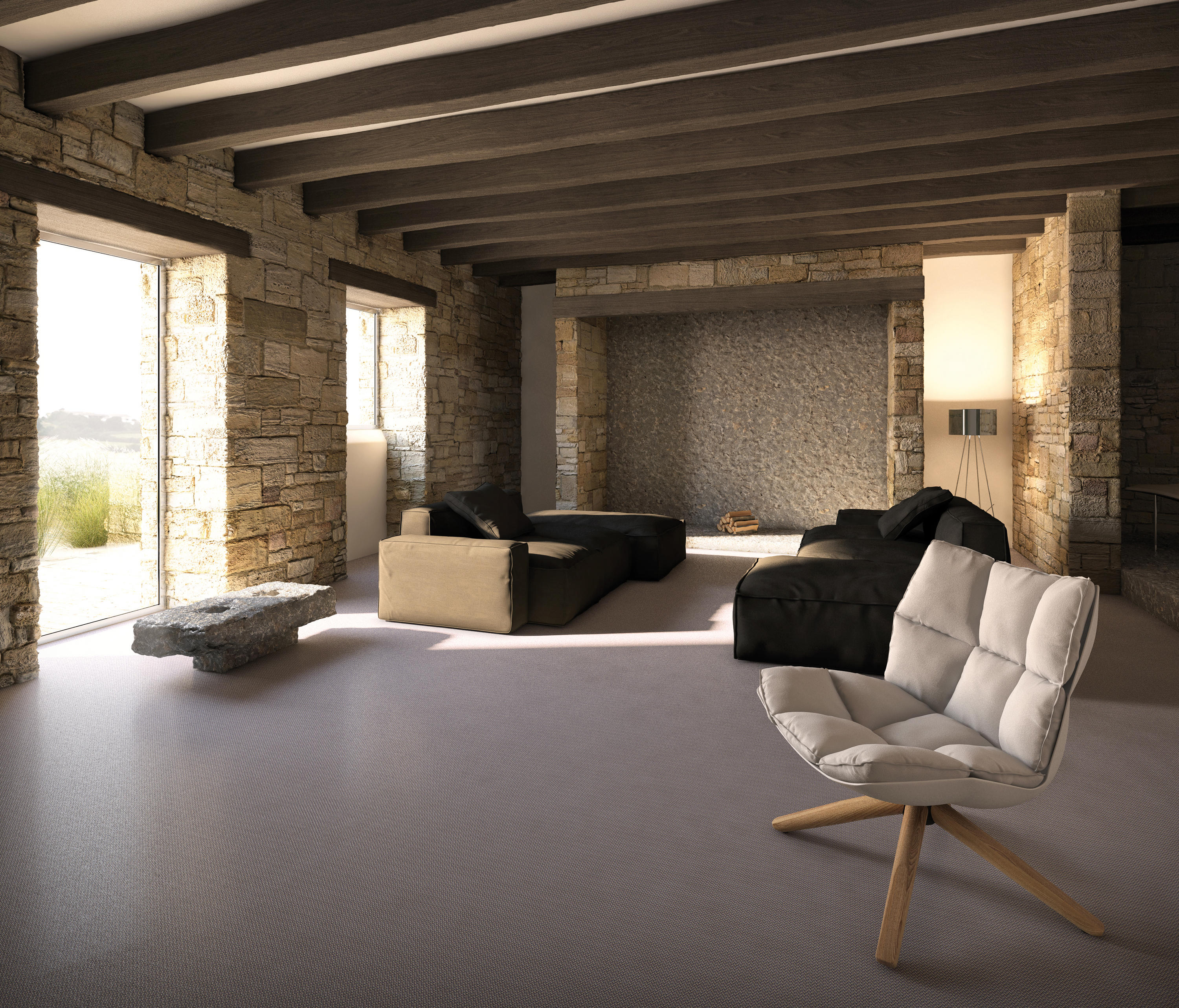
Present to your guests only what swells you with pride rather than a boring collection of trinkets. Let the space open to allow the natural light and air to stimulate your senses. There is nothing more comforting than walking into a home that triggers a nostalgic memory.
Since its inception, Decorilla has collaborated with thousands of professional designers who have transformed countless homes and commercial spaces worldwide. Every day, Decorilla’s designers craft bespoke interiors, allowing clients to experience spaces that resonate with their personal style and aspirations, fostering genuine connections with the world of design. Include a simple wooden bench, a mirror with a weathered frame, and a few potted plants. Incorporate wabi-sabi storage that blends seamlessly with your home’s aesthetic. Use handwoven baskets, vintage trunks, built-in storage nooks, and reclaimed wood shelves to keep your space neat. The right furniture can keep your interior organized while adding a touch of rustic charm.
In this article, we will explore the origins and principles of Wabi Sabi, contrasting them with Western ideals of perfection. We’ll see how Wabi Sabi is influencing design through the use of natural materials, weathered textures, and asymmetrical forms that embrace the passage of time. Focusing on the values of authenticity and simplicity, we’ll discuss how Wabi wSabi creates spaces that feel lived-in, rejecting the manufactured and overly refined. A signature of Wabi Sabi interiors is their wonderfully muted and neutral color palette, which showcases earthy tones such as gray, brown, and white. These colors create a calming and lived-in atmosphere, making spaces feel inviting and cozy.
Our inventory of unique antique finds, weathered woods, and historic accents embody Wabi-Sabi’s reverence for natural materials and the passage of time. Each pre-loved piece tells a story through its subtle signs of wear, adding character and authenticity to your rooms. It encourages design lovers to let go of perfection and welcome the natural cycle of life—the philosophy shows that the fleeting nature of life has unique charms. There's a refreshing rustic air to the style that's usually carried out through organic elements and a neutral palette. It's common to find matte finishes, textured pieces, and clutter-free spaces in wabi sabi interiors. When considering wabi sabi interior design, think patina, weathered wood, organic materials, hand-thrown ceramics, and simplicity.


No comments:
Post a Comment